AEO and GEO: How to Get Cited by ChatGPT, Perplexity, and AI Overviews

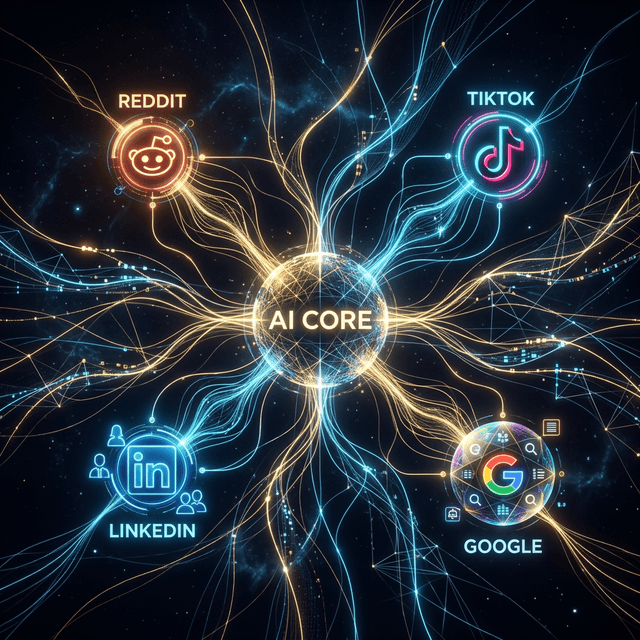
Search is splitting in two. One half still clicks blue links. The other half asks ChatGPT, Perplexity, Gemini, or reads Google's AI Overview and never visits a website at all. If your brand isn't part of those AI-generated answers, you're invisible to a fast-growing share of your market.
AEO vs. GEO — What's the Difference?
Answer Engine Optimization (AEO) focuses on becoming the extracted answer — the snippet an engine pulls directly. Generative Engine Optimization (GEO) focuses on being cited inside AI-generated responses. They overlap heavily, and I run them together.
Make Your Content Answerable
AI engines extract clear, self-contained answers. Structure content with direct question-and-answer formats, concise definitions, and well-organized sections. Lead with the answer, then support it. Burying the point in fluff means the AI skips you.
Build a Coherent Entity Footprint
AI models reason about entities — people, brands, products — and their relationships. Consistent structured data, an accurate knowledge graph presence, and authoritative mentions across the web help models understand who you are and what you're an authority on.
Earn Citations on Trusted Sources
Generative engines pull from sources they trust. Getting referenced on authoritative, relevant sites — and maintaining strong traditional SEO — directly increases the odds an AI cites you. The old authority signals still matter; they're just feeding a new interface.
Traditional SEO Is Still the Foundation
Here's the good news: AEO and GEO build on strong SEO rather than replacing it. The content quality, structured data, and authority you've already built are exactly what AI engines reward. Optimize for both, and you win the present and the future of search.
Ready to implement this for your brand?
Stop reading about growth and start engineering it. Our autonomous marketing systems and SXO strategies are battle-tested and ready to deploy.
Initiate Strategy Session